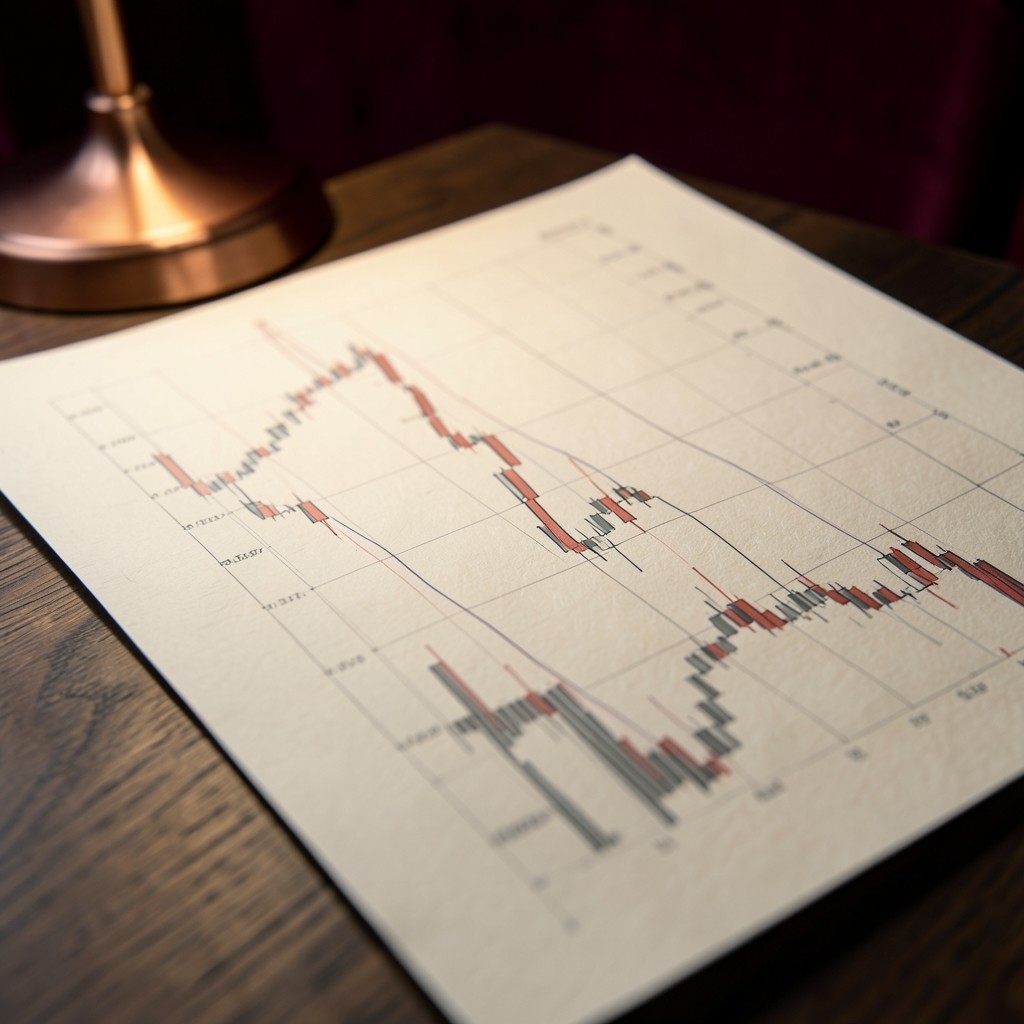
When price pierces a well-watched level, the first question in our Practice Lab is rarely “long or short?” It is “what did volume do on the pierce?”
Thin spike, thick regret
A single high-volume bar through resistance can still fail, but a spike on conspicuously light volume is our earliest caution. During Hang Seng lunch liquidity, we often see wicks beyond the morning range that never attract follow-through. Traders who mark the wick as a confirmed break usually reverse within the next half hour.
Expansion that never expands
Compare the breakout bar’s volume to the twenty bars before it. If the pierce looks dramatic on price yet ordinary on volume, treat it as a probe. In false breakout filtering practice we ask participants to write “probe” beside the candle until a second close holds beyond the level with rising participation.
The quiet retest
After a genuine break, the retest often prints with lighter volume than the impulse. That quietness can be healthy. What we distrust is a retest that suddenly swells while price fails back inside the prior range — a sign of trapped late entries rather than absorption.
None of these tells replace context. They simply slow the hand long enough for confirmation to arrive — or for the fake expansion to reveal itself.